
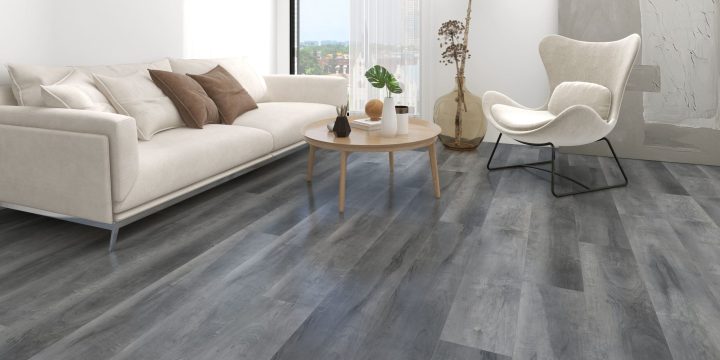
Frequently Asked Questions (FAQ) – Everything You Need to Know About Flooring
At FloorZones, we know that choosing the right flooring for your home or business is a big decision. With so many options available, it’s natural to have questions. That’s why we’ve put together this Frequently Asked Questions section—to provide clear, expert answers to help you make the best choice for your space.
Whether you’re wondering about the differences between vinyl and laminate, the installation process, maintenance tips, or how to choose the right flooring for high-traffic areas, we’ve got you covered.
Browse our FAQs below to find the information you need, or reach out to our team for personalized advice. Let’s make your flooring project smooth, stress-free, and successful!
Laminate wood flooring uses snap and lock technology over a floating floor. It’s very durable and easy to maintain, but it is not waterproof. It is susceptible to joint swelling and buckling if water is not immediately cleaned up. Waterproof wood flooring, also known as LVT (luxury vinyl tile) or WPC (wood plastic composite) is 100% waterproof flooring. It also uses snap and lock technology, but it has a rigid core which makes it more stable underfoot. It does not swell or buckle when exposed to water, making it ideal for bathrooms and kitchens.
It’s important not to confuse the two. Most laminate wood flooring is water-resistant. This means that water or spills will not immediately damage the flooring, but it has to be cleaned up quickly before the liquid seeps into the locking system. Waterproof flooring has a rigid plastic composite core, which makes it 100% waterproof.
Follow the manufacturer’s cleaning instructions. Failing to do so could void the warranty. Use a dust mop, broom, or hard floor vacuum attachment (no beater bar) regularly to prevent dirt accumulation that can scratch the floor. For frequent cleaning is necessary in sandy areas and beachside homes. Use a cleaning product specifically made for laminate flooring and apply it with a damp mop or microfiber mop. Never use a steam cleaner, wet mop with water, soap, an oil-soap product, or any cleaning product that contains ammonia or bleach. For stubborn spots like ink, markers, oil, or glue, use a small amount of nail polish remover with acetone on a clean cloth. For wax, gum, or glue, gently scrape with the edge of a credit card, being careful not to scratch the floor. Do not allow water or liquids to stand on the floor; immediately clean up spills with a cloth. Do not use a polishing or buffer machine.
We install a wide variety of flooring types, including:
- Solid Hardwood Flooring: Traditional wood planks that can be nailed or glued down for a permanent and durable surface.
- Engineered Wood Flooring: Designed with a plywood or fiberboard core and a hardwood veneer, engineered wood provides stability and moisture resistance.
- Floating Vinyl Planks (LVP): Luxury Vinyl Planks (LVP) mimic real wood but are waterproof, making them perfect for high-moisture areas like kitchens and bathrooms.
- Stone Plastic Composite (SPC): A highly durable, waterproof vinyl flooring with a rigid core, SPC is ideal for commercial spaces or high-traffic residential areas.
- Laminate Flooring: A budget-friendly alternative to wood, laminate offers durability, scratch resistance, and easy maintenance.
- Bamboo Flooring: An eco-friendly flooring option known for its strength, sustainability, and unique aesthetic.
Yes! We provide contractor-level pricing to homeowners, business owners, and property managers, allowing you to get professional-grade flooring and installation at the best possible rates. Our pricing structure ensures affordability without compromising on quality.
- Solid Hardwood Flooring: Made from a single piece of wood, it can be sanded and refinished multiple times for a long-lasting, classic look. However, it is more susceptible to moisture and temperature changes.
- Engineered Wood Flooring: Designed with multiple layers, including a real wood veneer on top, engineered wood is more resistant to humidity and temperature fluctuations, making it suitable for basements and other moisture-prone areas.
Both options offer beauty and durability, but engineered wood is generally more stable in environments with variable conditions.
Yes! Floating floors do not require nails or glue; instead, the planks lock together and "float" over the subfloor. We specialize in:
- Luxury Vinyl Planks (LVP) – Waterproof and durable, great for residential and commercial spaces.
- Stone Plastic Composite (SPC) – An ultra-durable vinyl flooring option with a rigid core.
- Laminate Flooring – Click-lock installation makes it a popular choice for DIYers, but we ensure a professional, flawless finish.
Floating floors are an excellent choice for quick installation, cost-effectiveness, and versatility.
Absolutely! Choosing the right flooring can be overwhelming, but our team is here to help. We consider factors such as:
- Budget – Finding options that fit within your price range.
- Durability Needs – Helping you select materials that stand up to foot traffic, pets, and wear.
- Aesthetic Preferences – Guiding you through color, texture, and style choices.
- Moisture Levels – Recommending waterproof or moisture-resistant options where needed.
We offer expert consultations to ensure you choose the best flooring for your home or business.
If you have any other questions, feel free to reach out. We’re here to make your flooring project seamless and stress-free!